Redefining Maternity Fashion With Community-First Social Media: Chubby Chic Case Study
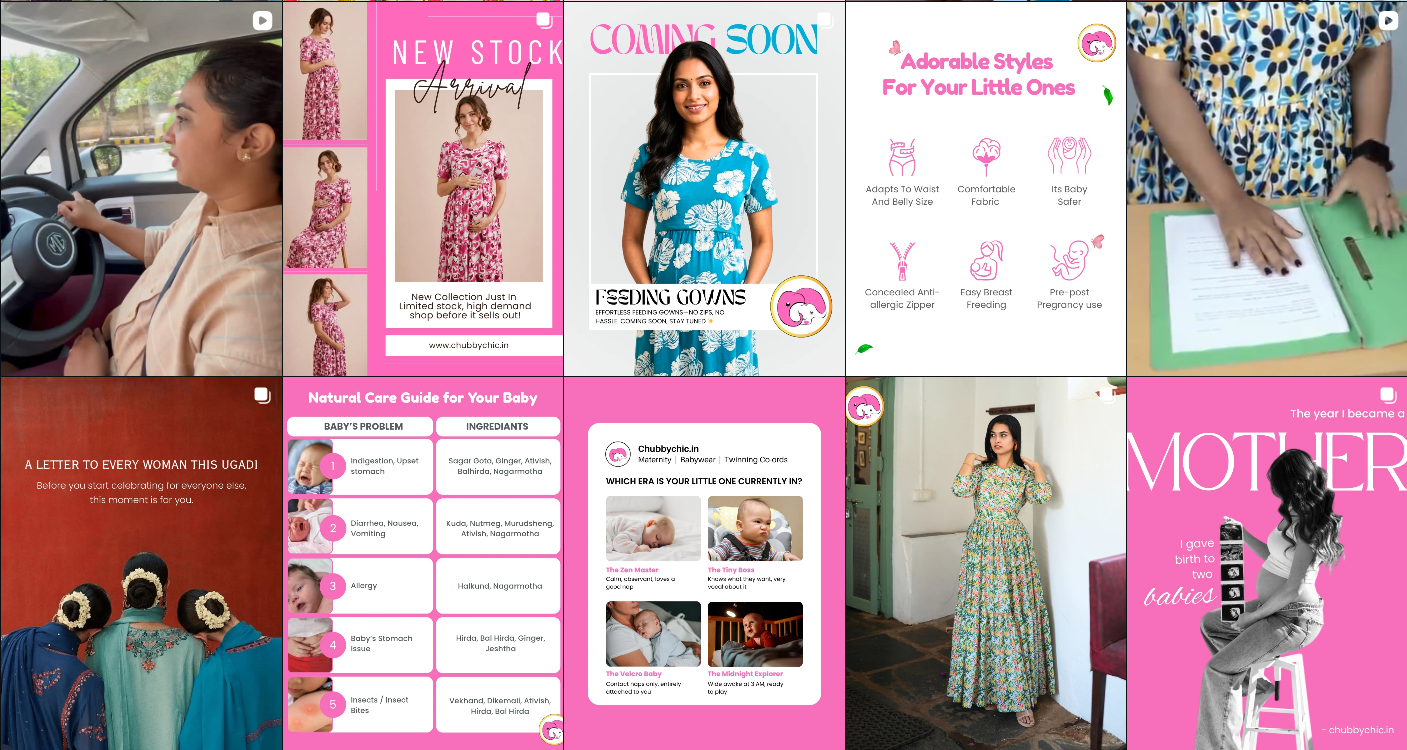
Finding stylish maternity wear has historically meant compromising on either comfort or aesthetics. Most options default to oversized, shapeless clothing that hides rather than celebrates the bump. Chubby Chic set out to change that — and needed its social media to reflect a very different vision of motherhood.
This case study breaks down how Musing Quills helped Chubby Chic transform its Instagram from a basic catalog into a high-intent, emotionally resonant boutique and community, driving consistent sales and loyalty.
Client Overview: A Modern Take On Maternity Fashion
Brand: Chubby Chic
Category: D2C maternity fashion
Audience: Fashion-forward expecting mothers looking for flattering, comfortable, premium-quality maternity dresses.
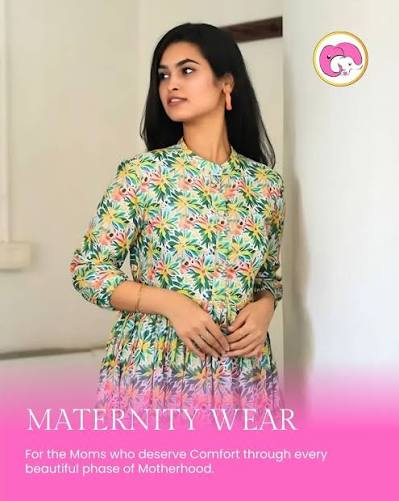
Chubby Chic’s product philosophy is simple: maternity outfits should celebrate the bump, not hide it. Their pieces are designed to pair supreme comfort with elegant silhouettes, using stretch fabrics that adapt across trimesters and into postpartum life.
The brand already had a strong product and a clear vision. What they needed was a digital presence that could:
Communicate premium quality and fit through a phone screen, and
Build an emotional, supportive community instead of a transactional storefront.
The Challenge: Escaping The “Frumpy & Functional” Stereotype
The maternity fashion space is emotionally charged. Expecting mothers are navigating physical changes, fluctuating confidence, and information overload — and are often targeted with bland, “utility-only” messaging.
Chubby Chic had two core challenges:
Show, don’t just tell, how flattering and comfortable the dresses were, especially the stretch and drape across different stages of pregnancy.
Build an empathetic community, not just a product feed — a place where expecting mothers felt seen, understood, and supported.
In other words, social needed to sell confidence, comfort, and community, not just clothes.
Our Strategy: From Product Catalog To Emotional Fashion Story
We approached Chubby Chic with a strategy-first, channel-last mindset:
Clarify the brand narrative
We re-framed Chubby Chic from “stylish functional maternity clothing” to:
“A maternity fashion brand that celebrates every stage of motherhood with comfort, confidence, and elegance.”
Define the content architecture
We mapped a content strategy that balanced three core pillars:
High-end fashion aesthetics (styled looks, visual storytelling)
Raw, relatable motherhood realities (real moms, real bodies, real emotions)
Practical value (styling tips, size guidance, trimester transitions)
Choose the right faces and formats
Instead of relying only on studio models, we built a network of real expecting mothers to be the authentic faces of the brand.
This decision shaped everything: body types, poses, captions, and comments all felt more grounded and real.
Platform & format focus
To align with algorithm behaviour and user habits, we leaned heavily into:
Short-form Reels, and
Carousel posts with practical styling and fit education.
The Creative Execution: “Style Through Every Trimester”
The heart of the execution was a suite of content that showed how Chubby Chic dresses move with the body — not against it.
1. Transition Reels: “Style Through The Trimesters”
We created a series of Reels showing how a single dress evolves with the bump:
1st trimester: styled as a relaxed, everyday dress.
2nd trimester: emphasising belly support and stretch.
3rd trimester: showcasing full-bump comfort and confidence.
Postpartum: demonstrating re-wearability beyond pregnancy.
These Reels didn’t just look good — they proved long-term value and versatility, reducing objections about “short usage” of maternity outfits.
2. Fabric & Feel Focus
To counter the “you can’t feel fabric online” problem, we used:
Macro videography of fabric stretch, texture, and movement.
Soft, natural light to highlight drape and flow.
Voiceovers from real moms describing comfort, skin-friendliness, and how the dresses felt in summer heat and sensitive-skin situations.
This content directly addressed common objections: itchiness, see-through fabrics, discomfort in humidity, and restrictive fits.
We treated the comment section like a support space, not just a feedback area:
Personalized sizing advice based on body type and week count.
Gentle, empathetic replies to questions about comfort, fit, and modesty.
Encouraging mothers to share milestones, bump updates, and styling preferences.
Over time, the comments started looking less like a sales thread and more like a micro-community of expecting moms helping each other.
Key Outcomes: Turning Followers Into High-Intent Buyers
While exact numbers were tracked across internal dashboards, the qualitative and directional wins were clear. The Chubby Chic account experienced:
1. From Catalog To Trusted Boutique
Instagram stopped feeling like a static product grid and started resembling a digital boutique where:
Each post told a story about confidence, comfort, and style.
Customers understood when, how, and why to wear each piece.
The brand voice felt warm, reassuring, and aspirational.
This shift significantly increased the perceived value of each dress.
The “Style Through the Trimesters” transition Reels were shared heavily within friend groups of expecting mothers.
This triggered:
Organic discovery through DMs and private story shares.
Conversations like “we should all get this dress for our baby shower” appearing in comments and messages.
More “I found you through my friend’s story” type enquiries.
Instead of relying solely on paid reach, community-led sharing became a powerful acquisition channel.
3. High-Intent Direct Messages
The comment and DM inbox evolved into a high-intent funnel:
Fewer generic “price?” messages, more detailed questions around size, fit confidence, and shipping.
Expecting mothers sharing their week count, body shape, and context — a sign of deep purchase consideration.
Many incoming messages referencing specific Reels (“I saw the trimester transition video — which size should I pick for my third trimester?”).
These conversations were significantly easier to convert into sales compared to cold traffic.
4. Repeat Customers Across The Motherhood Journey
By positioning dresses as investment pieces that work across trimesters and postpartum, we:
Encouraged customers to return for new colours and designs.
Extended the customer lifecycle beyond pregnancy into early motherhood.
Built a base of loyal advocates who continued to engage and refer even after their pregnancy.
Chubby Chic’s Instagram wasn’t just generating sales; it was creating brand evangelists.
Strategic Takeaways For Social Media Marketing
For MQ’s Social Media Marketing service, this case study demonstrates exactly the positioning you want your site to communicate:
Strategy before content.
We didn’t start with “what to post”; we started with “what the brand stands for, what the audience feels, and what objections exist”.
Creative that proves value, not just looks nice.
Transition reels and fabric close-ups weren’t aesthetic gimmicks — they were designed to handle real buyer questions and barriers.
Channels as part of a system, not the hero.
Instagram was used as a channel to express a clear brand narrative, educate buyers, and host a community. The content, tone, and engagement were all anchored in the bigger strategy.